


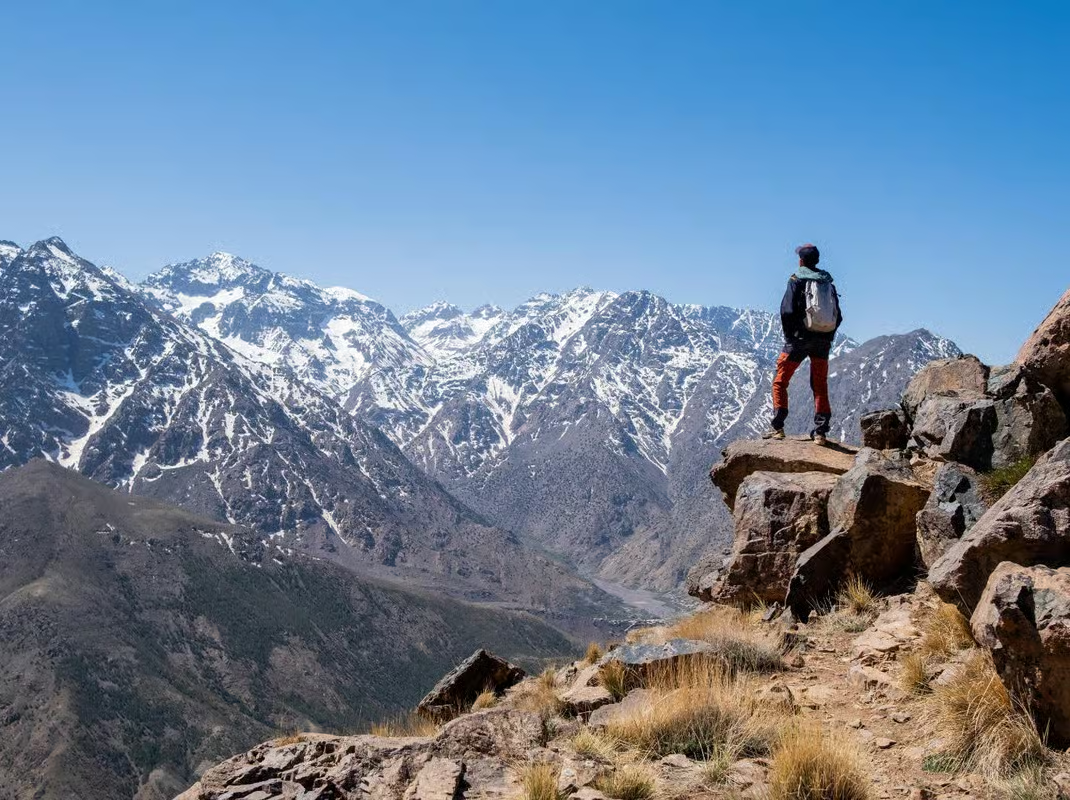
Trekking in Morocco, particularly in the Atlas Mountains, offers access to remote regions, villages, and routes that cannot be reached by vehicle. While these experiences are highly rewarding, they also require structure, preparation, and respect for local conditions.
A safe and enjoyable trek depends not only on physical readiness, but also on listening to experienced guides and following the systems put in place on the ground.
Understanding Terrain, Altitude, and Local Conditions
Moroccan trekking routes vary widely depending on the region and season. In the High Atlas, trails often involve rocky terrain, steep ascents, river crossings, and high passes. Altitude plays a major role, especially above 2,000 meters, where walking can feel more demanding even on moderate routes.
This is why itineraries are designed with progression in mind. Routes, pacing, and daily distances are chosen based on long-term local experience. Following the guide’s instructions regarding pace, rest stops, and timing is essential, particularly in areas where weather and trail conditions can change quickly.A safe and enjoyable trek depends not only on physical readiness, but also on listening to experienced guides and following the systems put in place on the ground.


The Role of Experienced Local Guides
Experienced local guides are central to safe trekking in Morocco. They understand the terrain, seasonal conditions, and how routes evolve throughout the year. They also know when to adjust plans due to weather, group condition, or unexpected changes.
For trekkers, listening to and following the guide’s instructions is not optional — it is a key safety factor. Decisions related to pace, route adjustments, rest periods, and summit attempts are made with the group’s well-being in mind. Trusting this guidance allows trekkers to focus on the experience rather than logistics or risk management.


Physical Preparation and Expectations
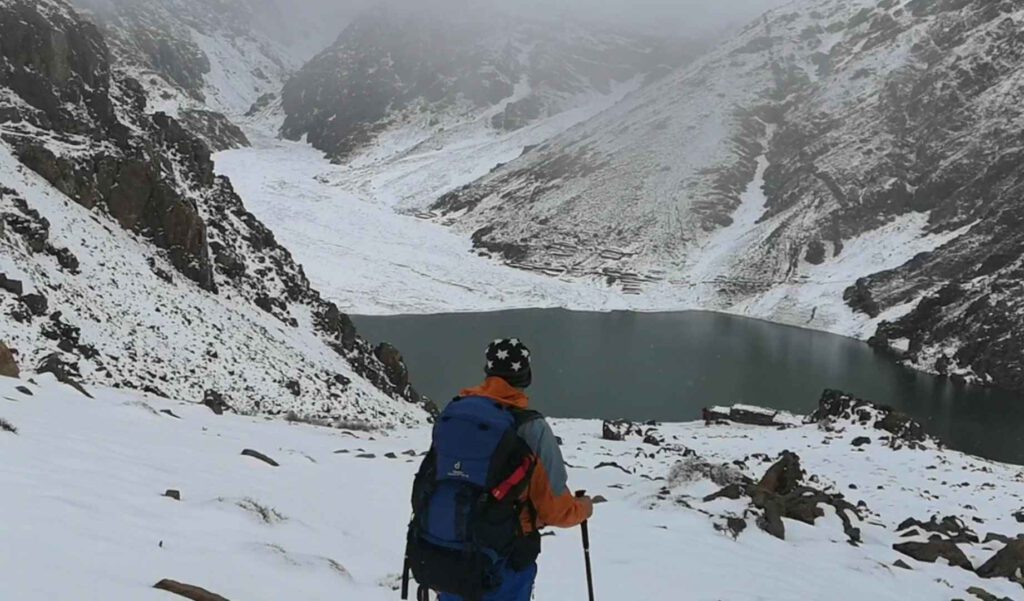
A basic level of fitness is important for trekking in Morocco, but endurance and consistency matter more than speed or strength. Preparing through regular walking or light hiking before the trip helps reduce fatigue and discomfort.
During the trek, the pace is set to suit the group. Trekkers are encouraged to communicate openly about how they feel, but also to respect collective timing and decisions. Pushing beyond personal limits or ignoring guidance can affect not only individual safety, but the group as a whole.
Food, Water, and Daily Organization
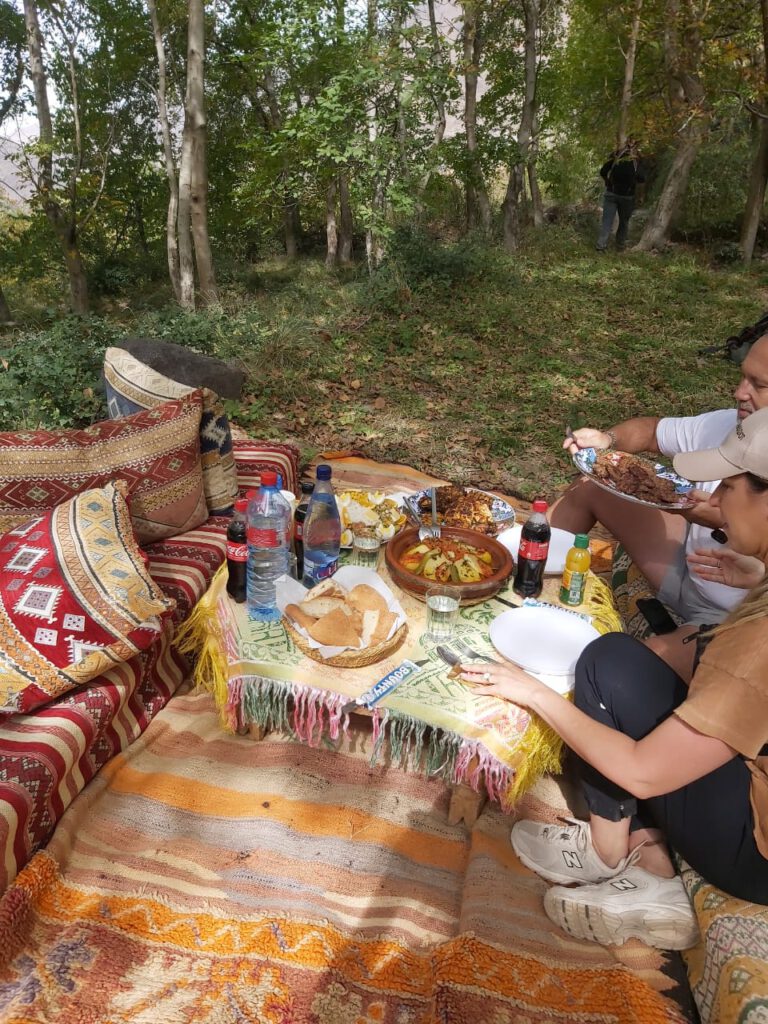
On treks where meals are included, food is prepared and managed by the team using local ingredients. Meals are designed to be nourishing and adapted to physical effort. Water supply is monitored carefully, and guides ensure access to safe drinking water throughout the trek.
Daily routines are structured to match conditions. Days often start early, especially in warmer seasons, allowing most walking to be done before peak heat. Breaks are planned strategically, and evenings are dedicated to rest and recovery.


Equipment and Load Management
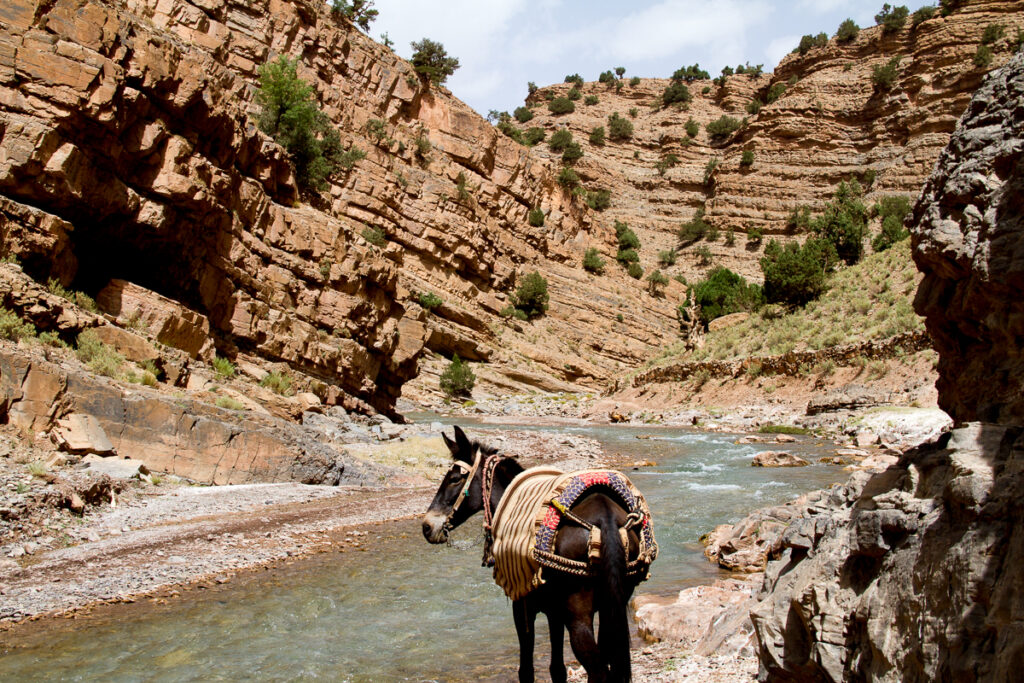
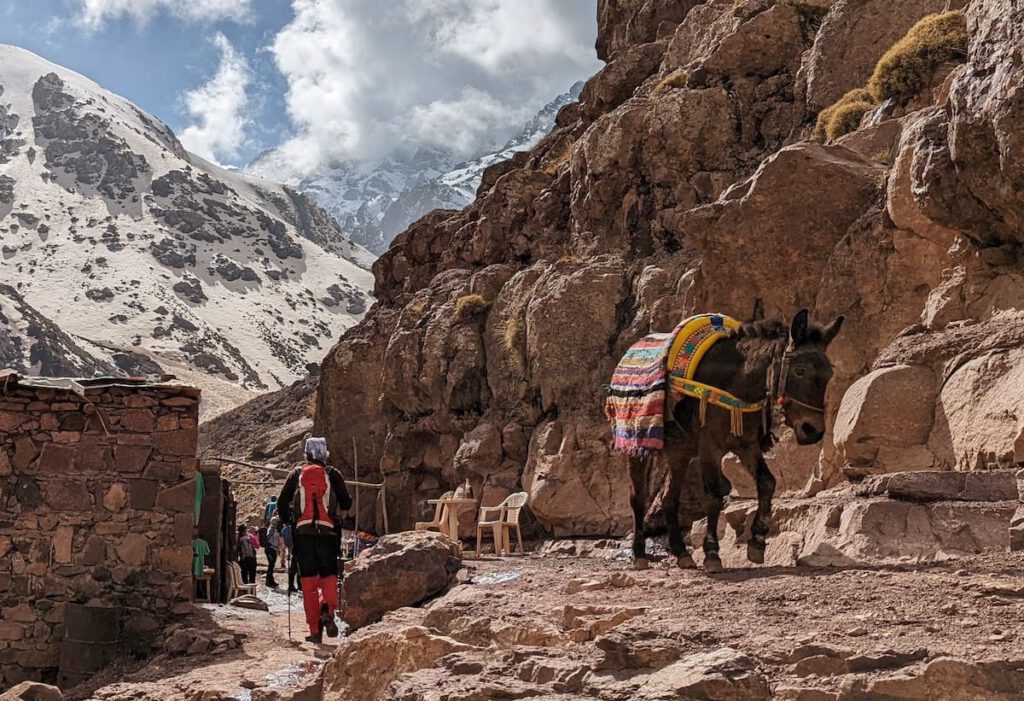
When equipment is included in the trekking package, logistics are handled by the team. This often includes luggage transport, shared equipment, and coordination with muleteers where applicable. Trekkers usually carry only a daypack with personal essentials.
Proper footwear, layered clothing, and sun protection remain the responsibility of the traveler, but guides will advise on what is needed based on the route and season. Following equipment recommendations helps prevent injuries and discomfort.

Safety Management on the Ground
Safety during a trek is the result of preparation, experience, and constant observation. Guides monitor weather conditions, group energy levels, and terrain changes throughout the journey. Routes may be adjusted if conditions require it.
Support teams play an important role in maintaining this structure. Their coordination allows trekkers to move safely and comfortably without needing to manage logistics themselves.
Respecting Local Communities Along the Route
Many trekking routes pass through inhabited areas. Villages are not stops created for visitors, but homes where daily life continues. Guides help manage interactions respectfully, ensuring that visits remain appropriate and welcomed.
Trekkers are expected to dress modestly, ask before taking photographs, and follow guidance on behavior within villages. These practices contribute to positive exchanges and long-term relationships between travelers and local communities.
Enjoying the Trek Beyond the Physical Effort
A successful trek in Morocco is not measured only by distance or elevation. It is shaped by how smoothly the journey unfolds, how well the group works together, and how much attention is given to surroundings and people encountered along the way.
By preparing properly, trusting experienced guidance, and respecting the structure of the trek, travelers are able to experience the Atlas Mountains in a way that is both safe and deeply rewarding.
Final Thoughts
Trekking in Morocco requires more than enthusiasm. It requires preparation, adaptability, and trust in experienced local teams who understand the terrain and conditions. When these elements are in place, trekking becomes one of the most complete and meaningful ways to explore the country.