Morocco has become one of the most visited destinations in Africa and the Middle East, attracting travelers from Europe, North America, and beyond. This popularity is not accidental or driven by trends alone. It is the result of a rare combination of accessibility, cultural depth, geographic diversity, and long-standing traditions of hospitality.
For travelers seeking variety, authenticity, and meaningful experiences within a single country, Morocco offers a logical and compelling choice.
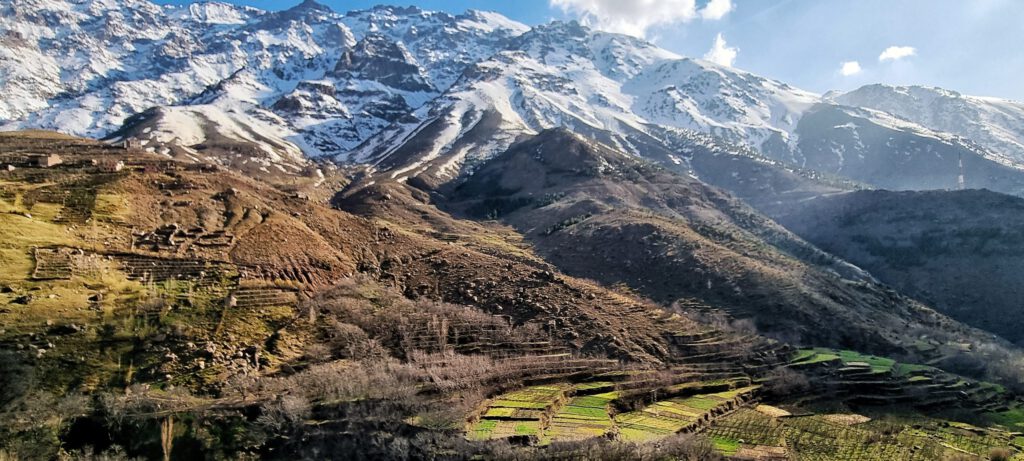
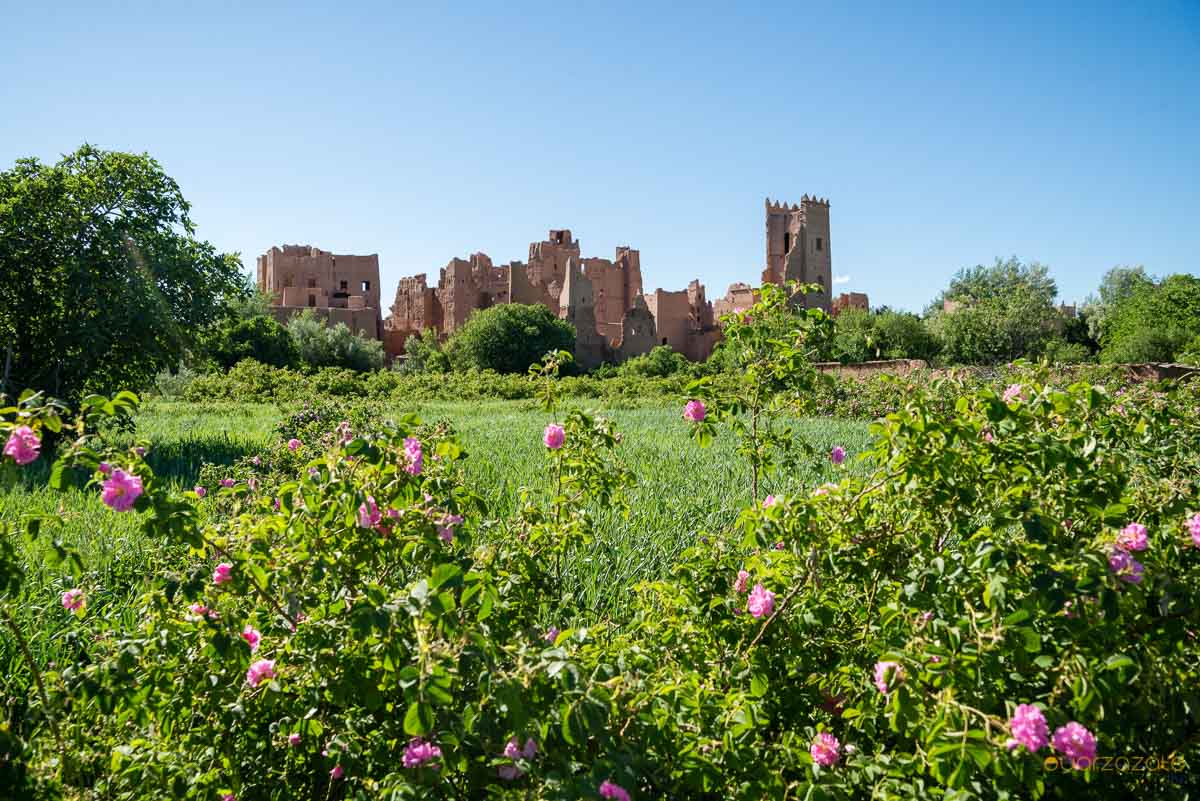
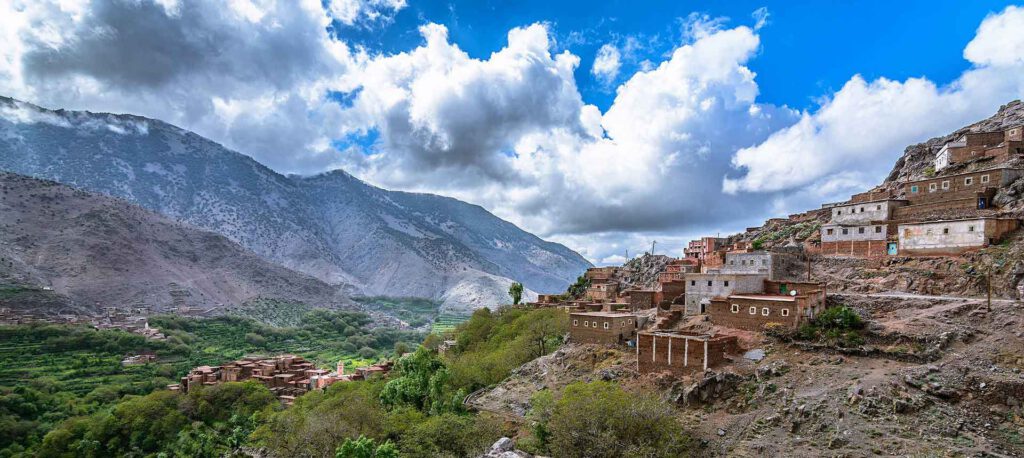
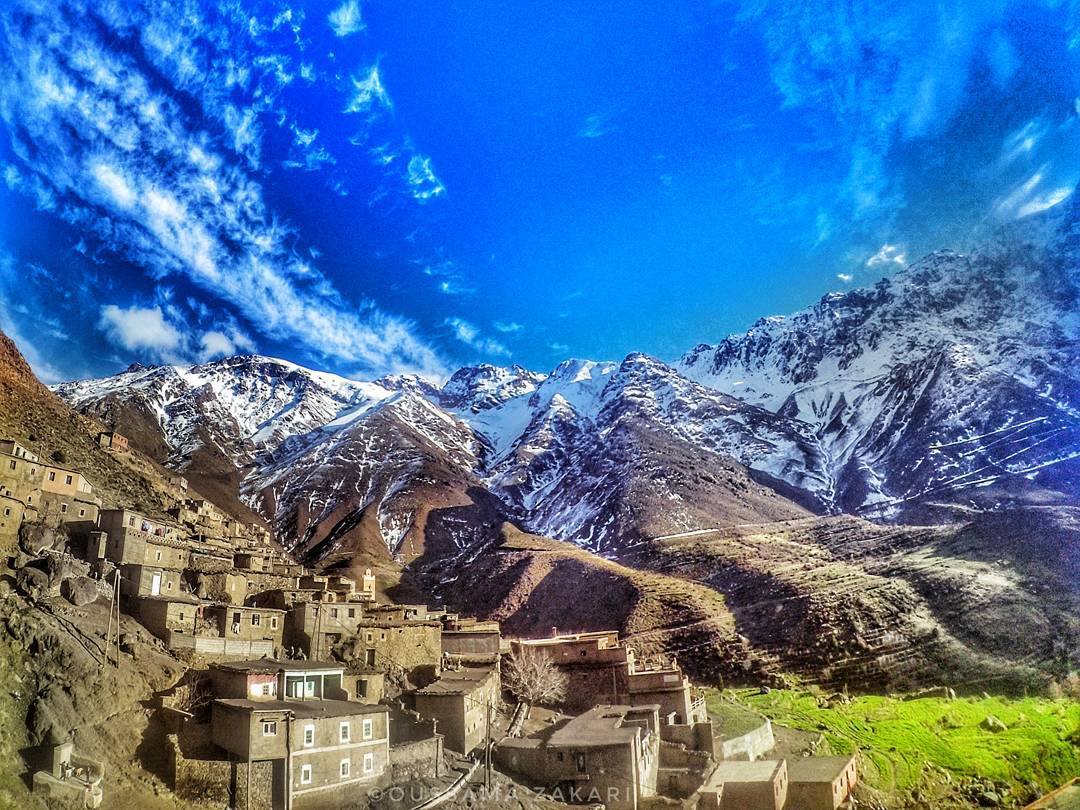
One of the main reasons Morocco is so widely chosen is its geographic diversity. Within a relatively short distance, travelers can move between imperial cities, mountain regions, desert landscapes, fertile valleys, and long Atlantic coastlines. Few destinations allow such contrast without long flights or complex logistics. A single itinerary can include historic medinas, rural villages, high mountain paths, and desert environments, making Morocco particularly attractive for travelers with limited time who still want depth.
Another key factor is cultural richness. Morocco’s culture has been shaped by Amazigh (Berber), Arab, African, Andalusian, and Mediterranean influences over centuries. This is visible in architecture, cuisine, language, music, craftsmanship, and daily life. Unlike destinations where culture is confined to museums or performances, in Morocco it remains part of everyday living. Travelers encounter it in markets, homes, workshops, and shared meals, not only in designated cultural sites.
Hospitality plays an equally important role in Morocco’s appeal. Welcoming guests is deeply embedded in social norms, particularly in rural and mountain regions. Hospitality is not structured as a service, but as a cultural responsibility. For travelers, this often translates into genuine interactions, invitations for tea, shared meals, and a sense of being received rather than managed. This human dimension is frequently cited as one of the most memorable aspects of visiting Morocco.
Morocco is also appealing because it offers multiple travel styles within one destination. It suits city travelers interested in history and architecture, hikers and trekkers drawn to the Atlas Mountains, cultural travelers looking for immersion, and those seeking slower, experience-led journeys. The country accommodates both short stays and long explorations, making it accessible to a wide range of travelers.
Accessibility is another practical reason behind Morocco’s popularity. Its proximity to Europe, well-connected international airports, and relatively short travel times make it an easy destination to reach. Once in the country, a developed network of roads and local transport allows movement between regions without excessive complexity, especially when journeys are well planned.
Safety and stability also contribute to Morocco’s position as a preferred destination. Compared to many regions with similar cultural and geographic appeal, Morocco has maintained a reputation for stability and structured tourism infrastructure. This reassures travelers and allows them to explore diverse regions with confidence when supported by experienced local operators.
Finally, Morocco continues to attract travelers because it offers meaningful experiences without artificial staging. Many visitors are increasingly looking for destinations where culture, nature, and daily life are still connected. Morocco remains one of the places where this connection is visible and accessible, particularly outside heavily visited routes.
For these reasons — hospitality, diversity, cultural continuity, accessibility, and depth — Morocco’s position as one of the world’s most chosen travel destinations is not only understandable, but entirely logical.