


The 6 Distinct Major Regions of Morocco You Must Visit
Morocco is often described as a single destination, but in reality it is a country made up of very distinct regions, each with its own geography, culture, climate, and way of life. Understanding these regions helps travelers plan better itineraries and avoid experiencing Morocco in a fragmented or superficial way.
Below are six major regions that together offer a complete and balanced understanding of the country.
1. Imperial Cities and Historic Urban Centers
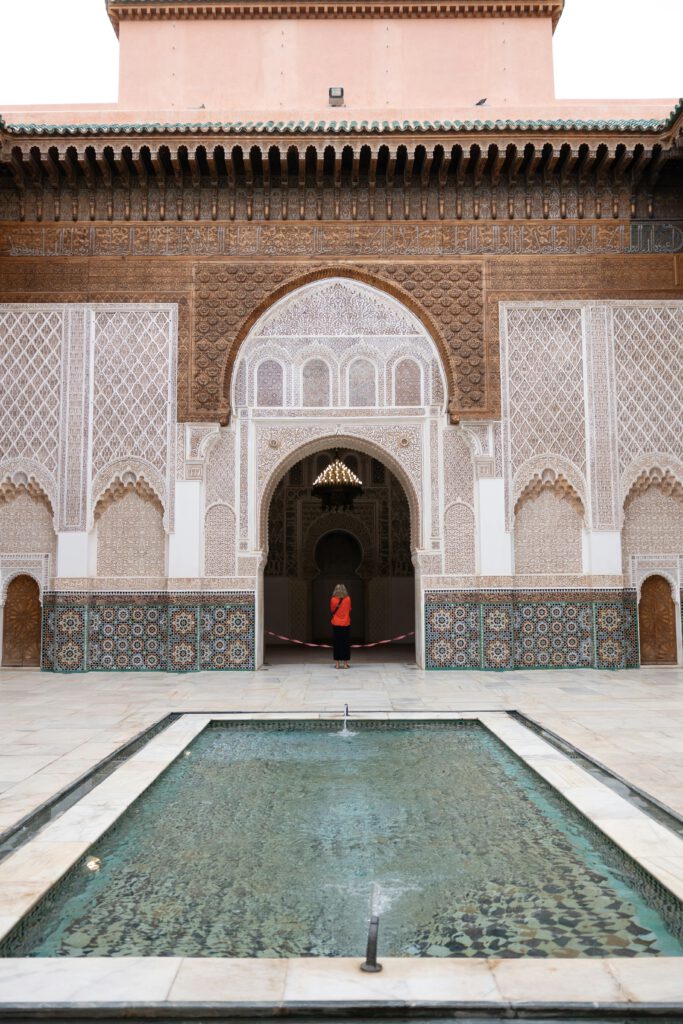
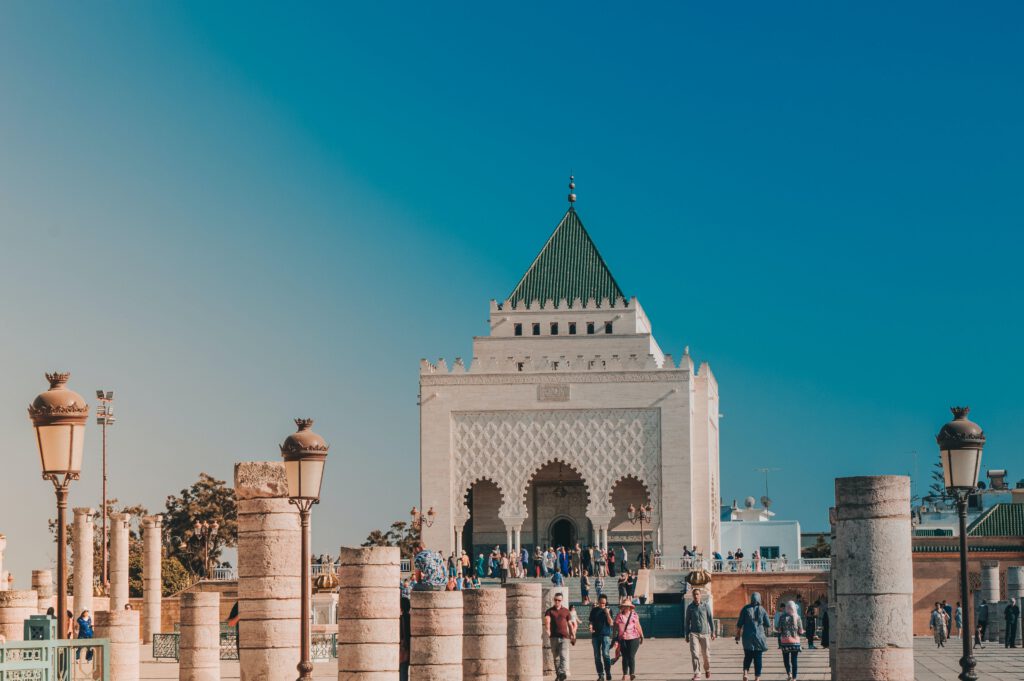
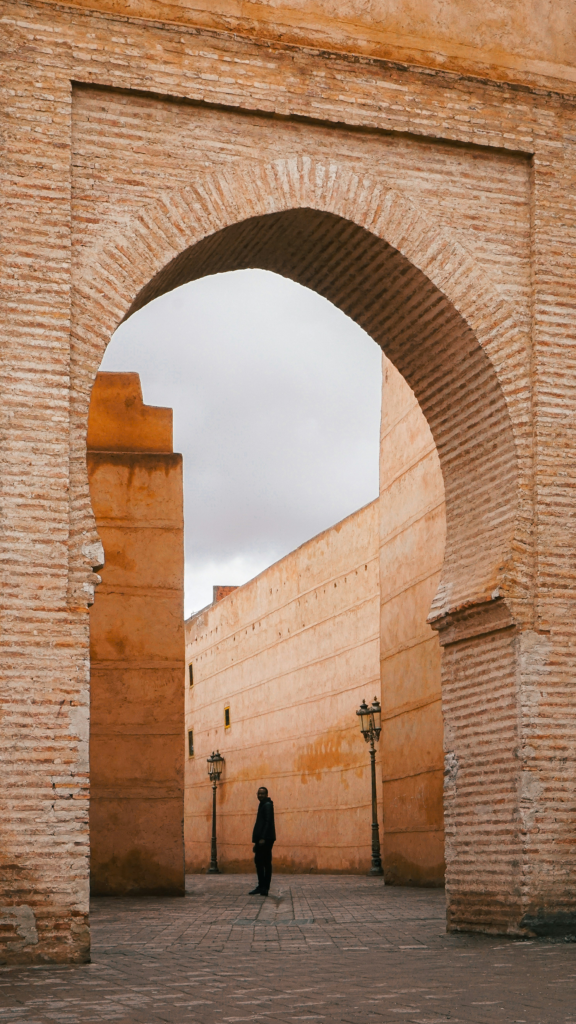
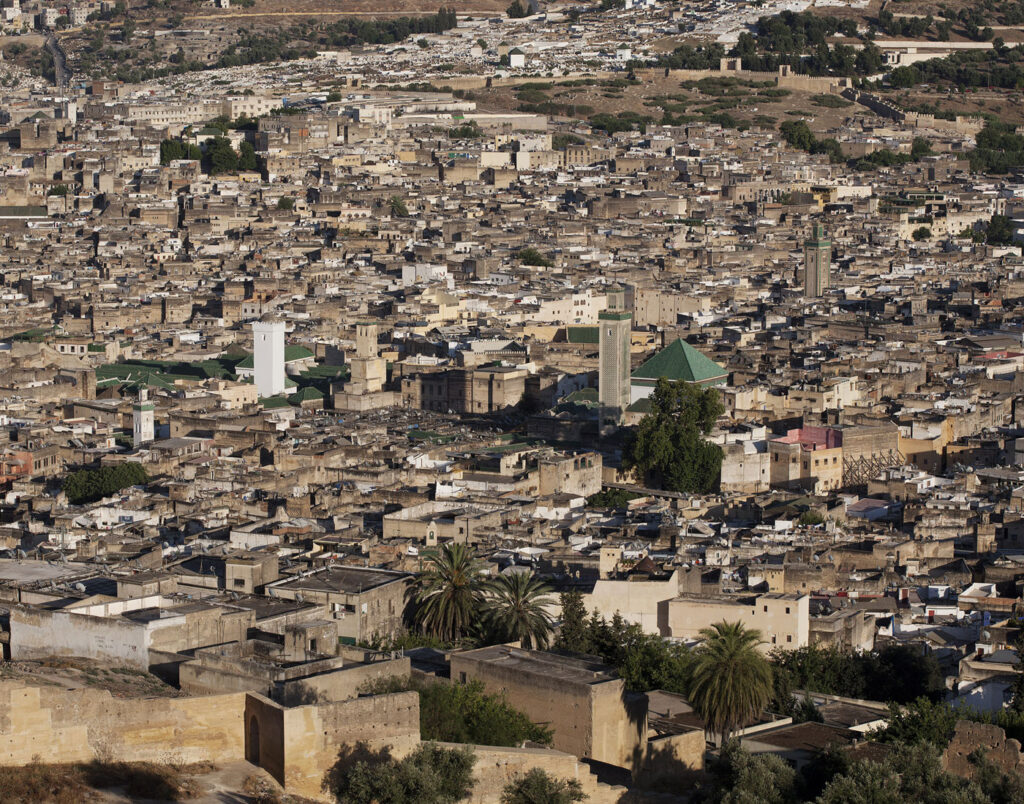
Cities such as Marrakech, Fes, Rabat, and Meknes form the historical backbone of Morocco. These cities were political, religious, and cultural capitals at different points in history, and their medinas still reflect this legacy today.
Travelers visiting these cities can expect dense historic quarters, traditional architecture, craft workshops, and a strong sense of continuity. Each city has its own character: Fes is deeply scholarly and traditional, Marrakech is vibrant and sensory, Rabat is calmer and administrative, and Meknes remains understated and local.
This region is ideal for travelers interested in history, architecture, craftsmanship, and understanding Morocco’s urban heritage.
2. The High Atlas Mountains
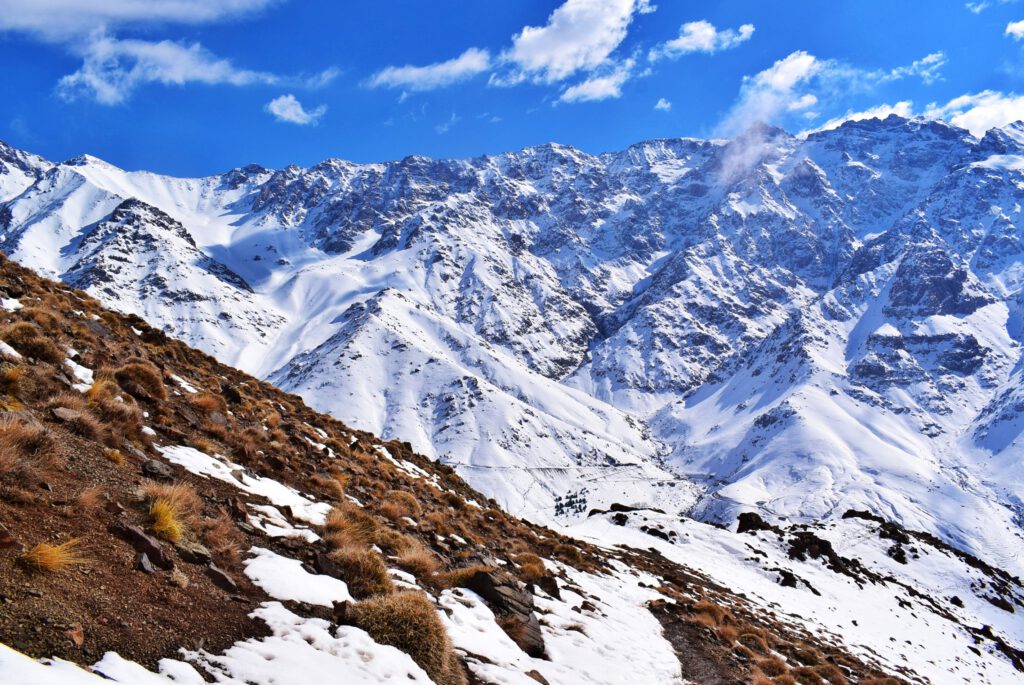
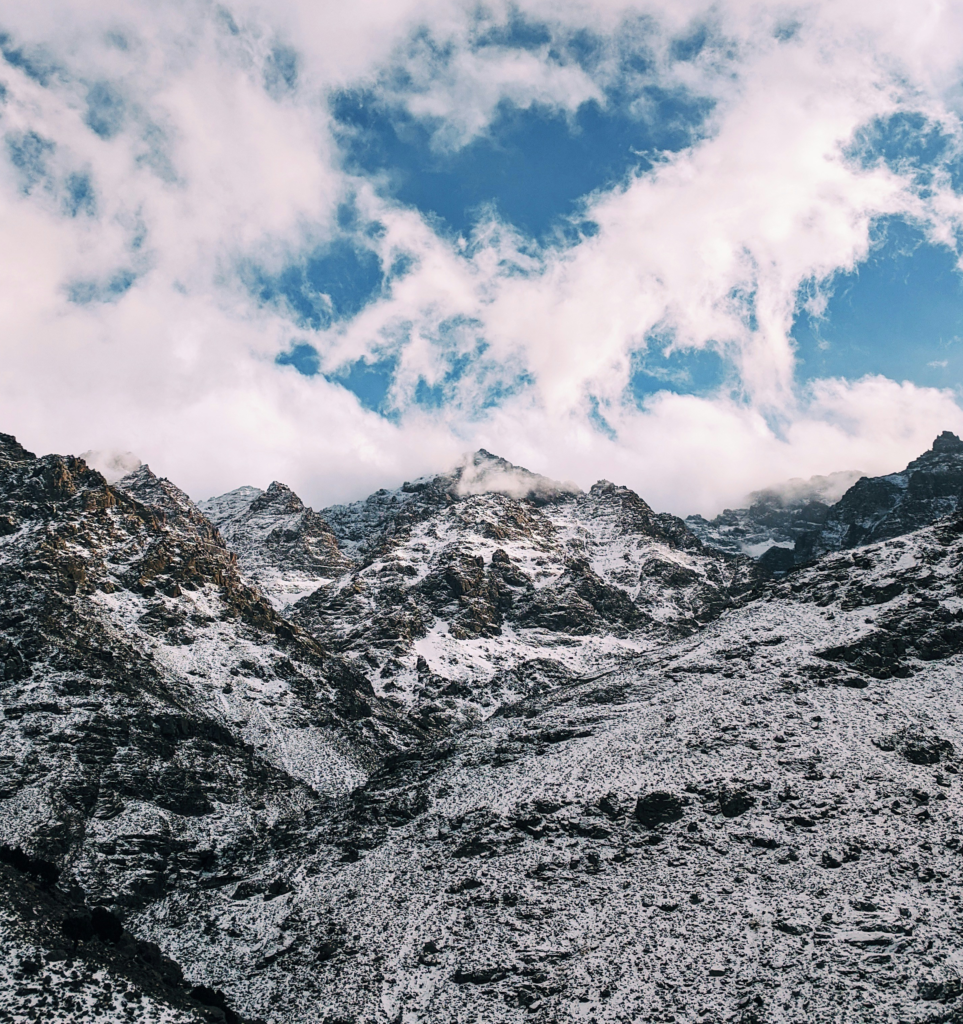
The High Atlas is the highest mountain range in North Africa and one of the most defining geographic features of Morocco. It is home to many Berber communities who have lived in the mountains for centuries, maintaining agricultural systems, village networks, and cultural traditions adapted to altitude and terrain.
Travel in the High Atlas often involves trekking, village stays, and slower movement. This region offers insight into rural Moroccan life, traditional architecture, and mountain-based livelihoods. It is also where Mount Toubkal, the highest peak in North Africa, is located.
The High Atlas is best suited for travelers seeking depth, physical engagement, and cultural immersion rather than fast sightseeing.

3. The Middle Atlas
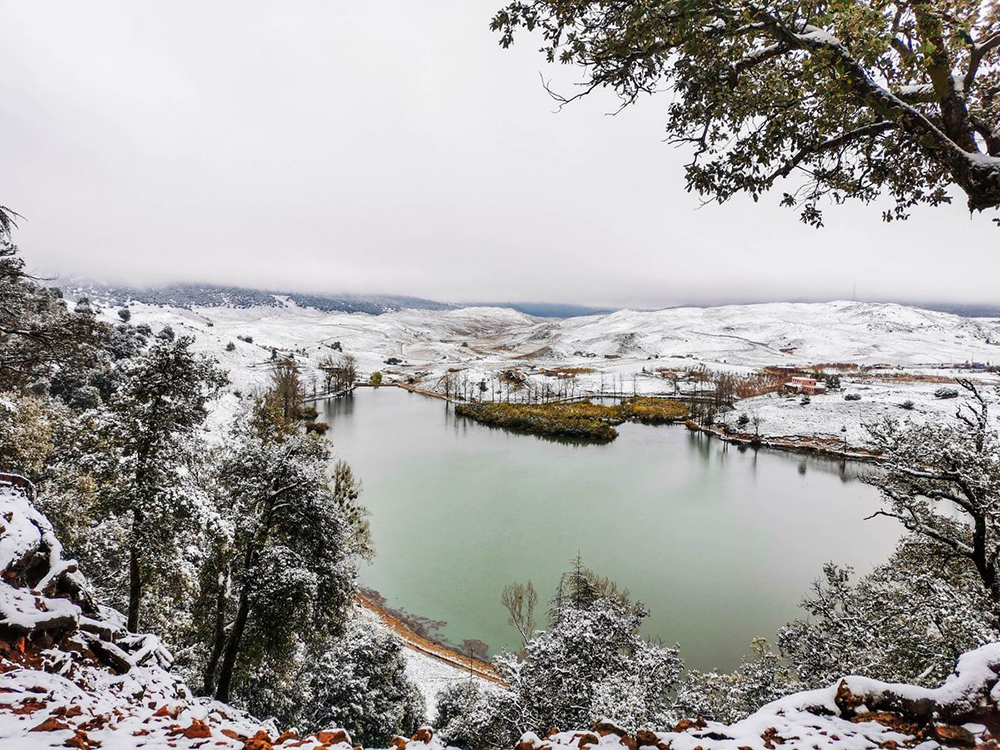
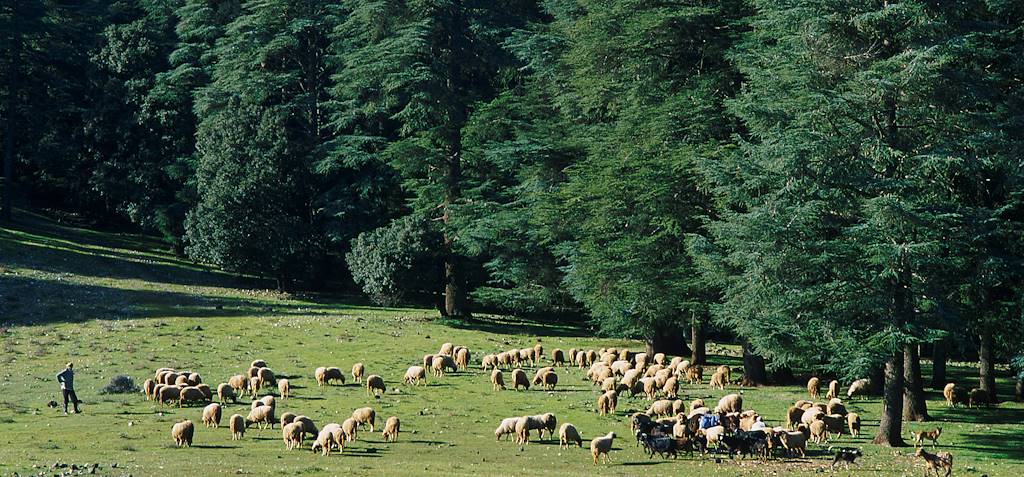
The Middle Atlas is less visited but extremely important for understanding Morocco’s ecological and cultural diversity. This region is characterized by cedar forests, plateaus, lakes, and agricultural towns such as Azrou and Ifrane.
It is also an important area for Amazigh (Berber) communities and seasonal pastoral movement. The Middle Atlas offers a quieter experience, with fewer tourists and a more rural atmosphere. Wildlife, forest landscapes, and small towns define this region.
Travelers interested in nature, slower travel, and lesser-known areas will find the Middle Atlas particularly rewarding.

4. The Anti-Atlas and Southern Valleys
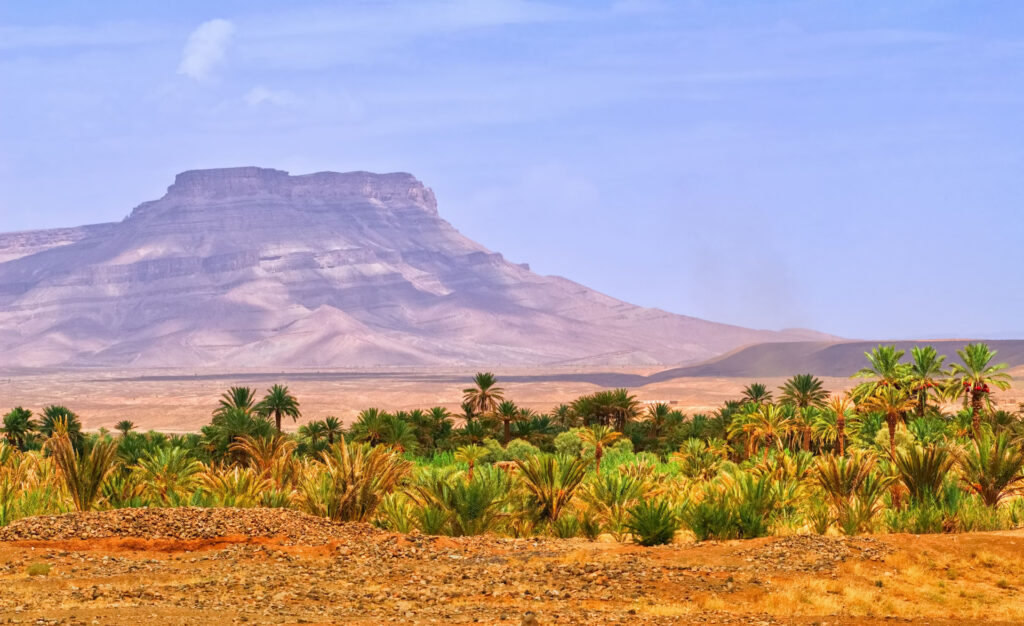
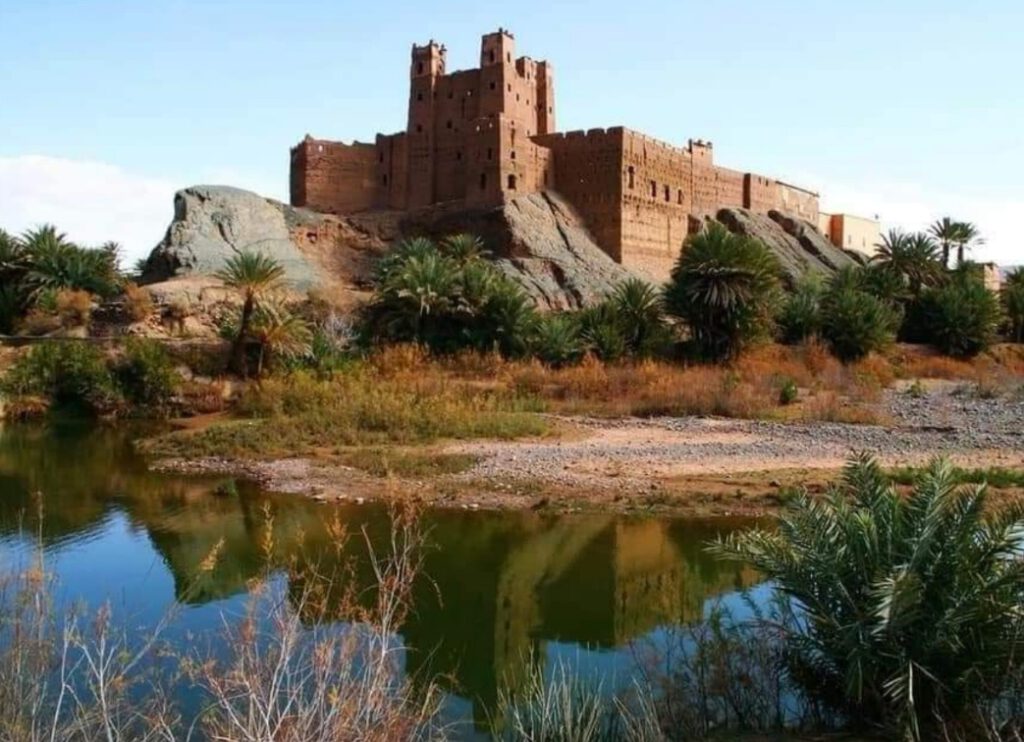
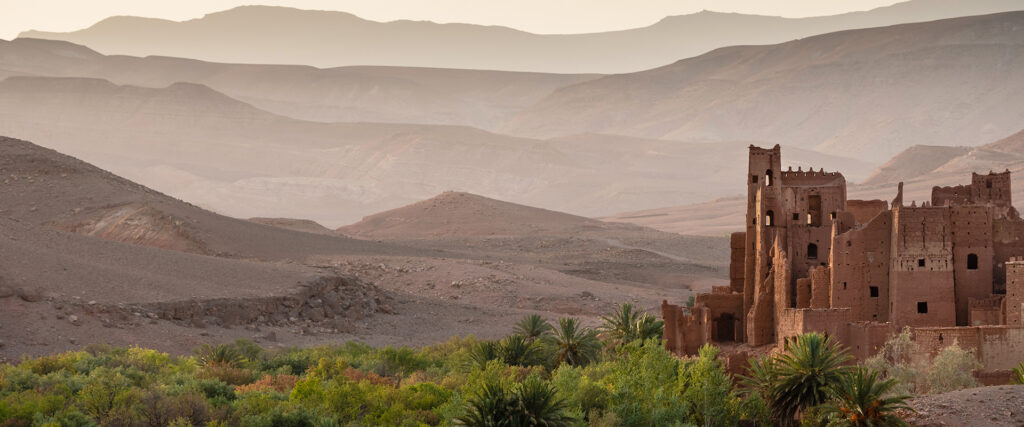
South of the High Atlas lies the Anti-Atlas, a drier and more rugged region marked by rocky mountains, palm-filled valleys, and historic kasbahs. Areas such as the Draa Valley, Skoura, and Aït Benhaddou fall within this broader southern region.
This area has long been a crossroads for trade routes connecting sub-Saharan Africa with northern Morocco. Its architecture, agricultural systems, and settlement patterns reflect this history.
The Anti-Atlas and southern valleys are ideal for travelers interested in historical routes, desert-edge environments, and traditional earthen architecture.
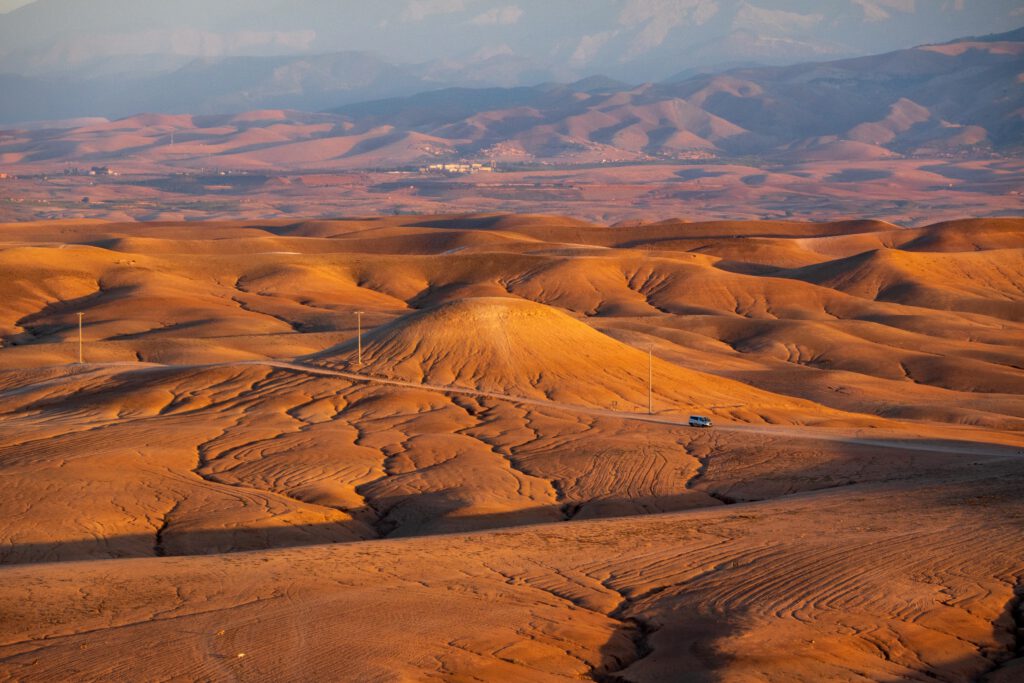
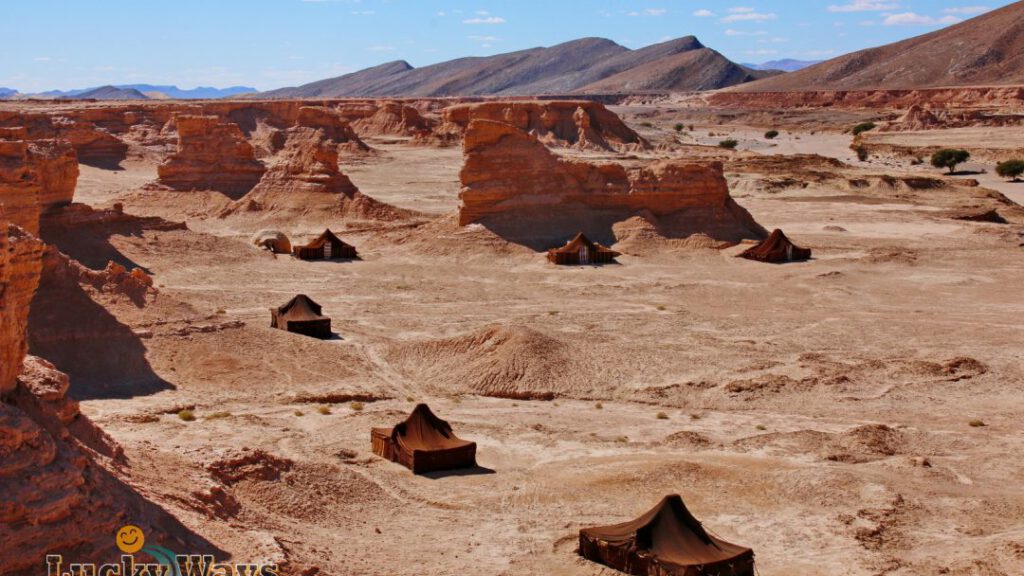
5. The Sahara and Pre-Saharan Regions
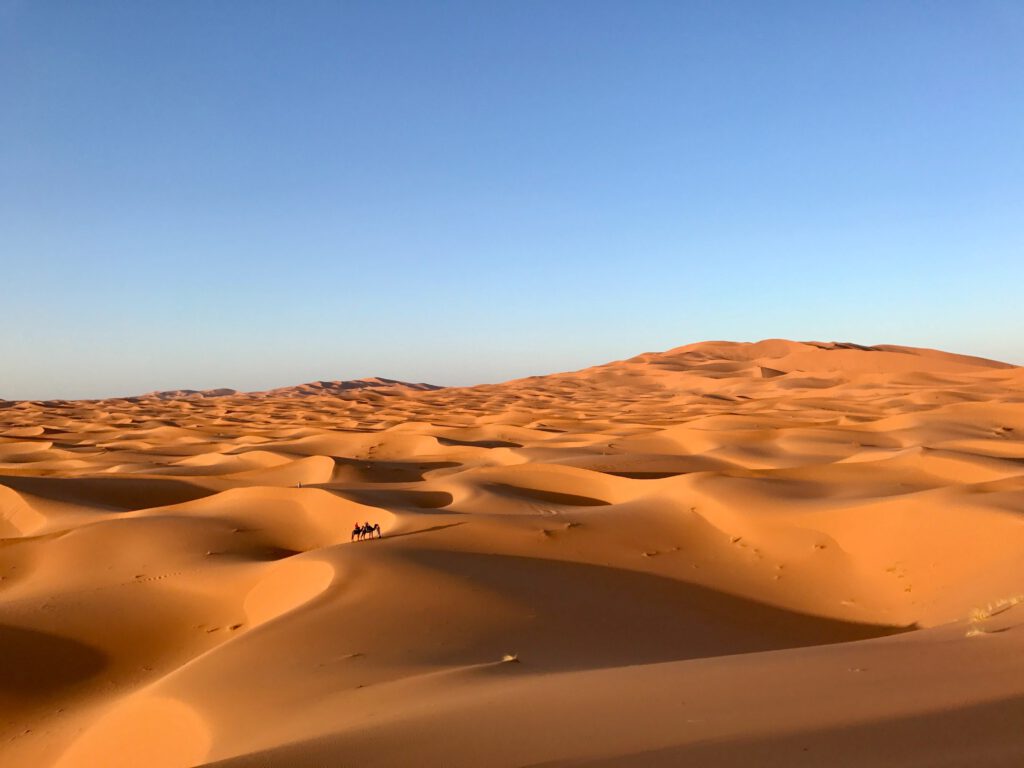
The Sahara and its surrounding pre-desert regions represent a completely different environment. Vast open spaces, dunes, rocky plains, and nomadic heritage define this area.
Travel here often includes desert camps, camel routes, and nights under the stars, but meaningful experiences go beyond scenery. Understanding desert life requires awareness of water management, seasonal movement, and the challenges of living in extreme environments.
This region is best approached as part of a broader itinerary rather than a standalone destination, allowing travelers to understand how desert regions connect historically and culturally to the rest of Morocco.
6. The Atlantic Coast
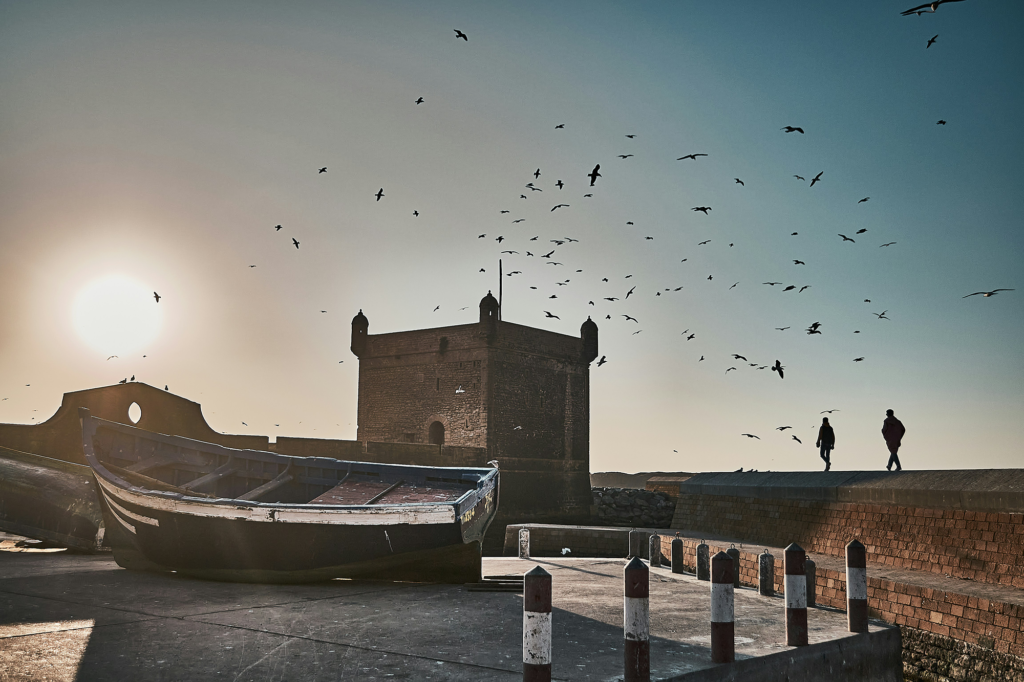
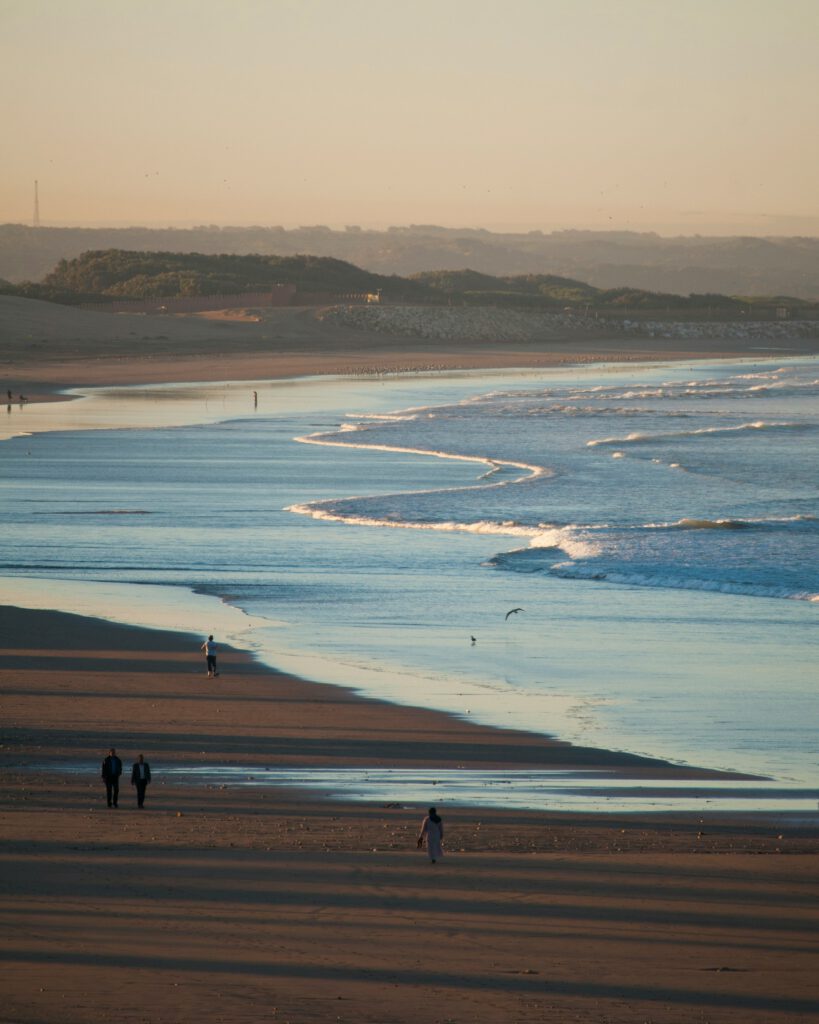
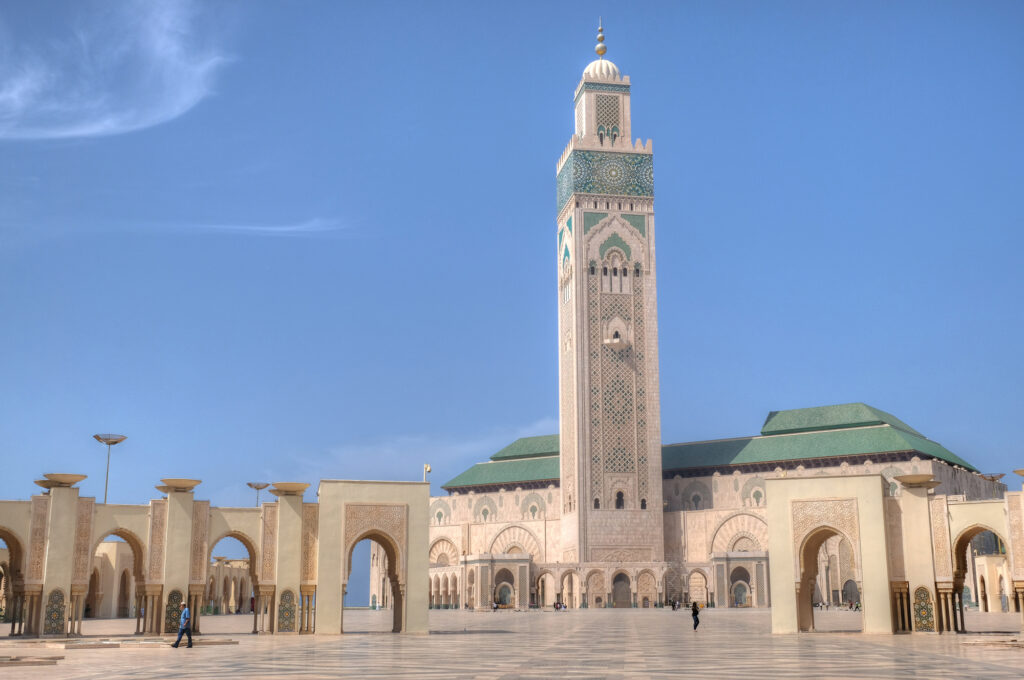
Morocco’s Atlantic Coast stretches from the north to the south and includes cities such as Essaouira, Casablanca, and El Jadida, as well as fishing villages and coastal towns.
The coast has been shaped by maritime trade, colonial history, and fishing traditions. Life here moves at a different pace, influenced by the ocean, wind, and seasonal rhythms.
This region offers a contrast to inland Morocco and is well suited for travelers looking to balance cultural exploration with rest, food culture, and open spaces.
Why Understanding These Regions Matters
Each of these regions represents a different Morocco. Traveling through only one or two offers an incomplete picture. Well-designed itineraries connect several regions, allowing travelers to experience contrasts in geography, culture, and daily life.
Understanding Morocco through its regions helps travelers move beyond surface impressions and engage more thoughtfully with the country as a whole.